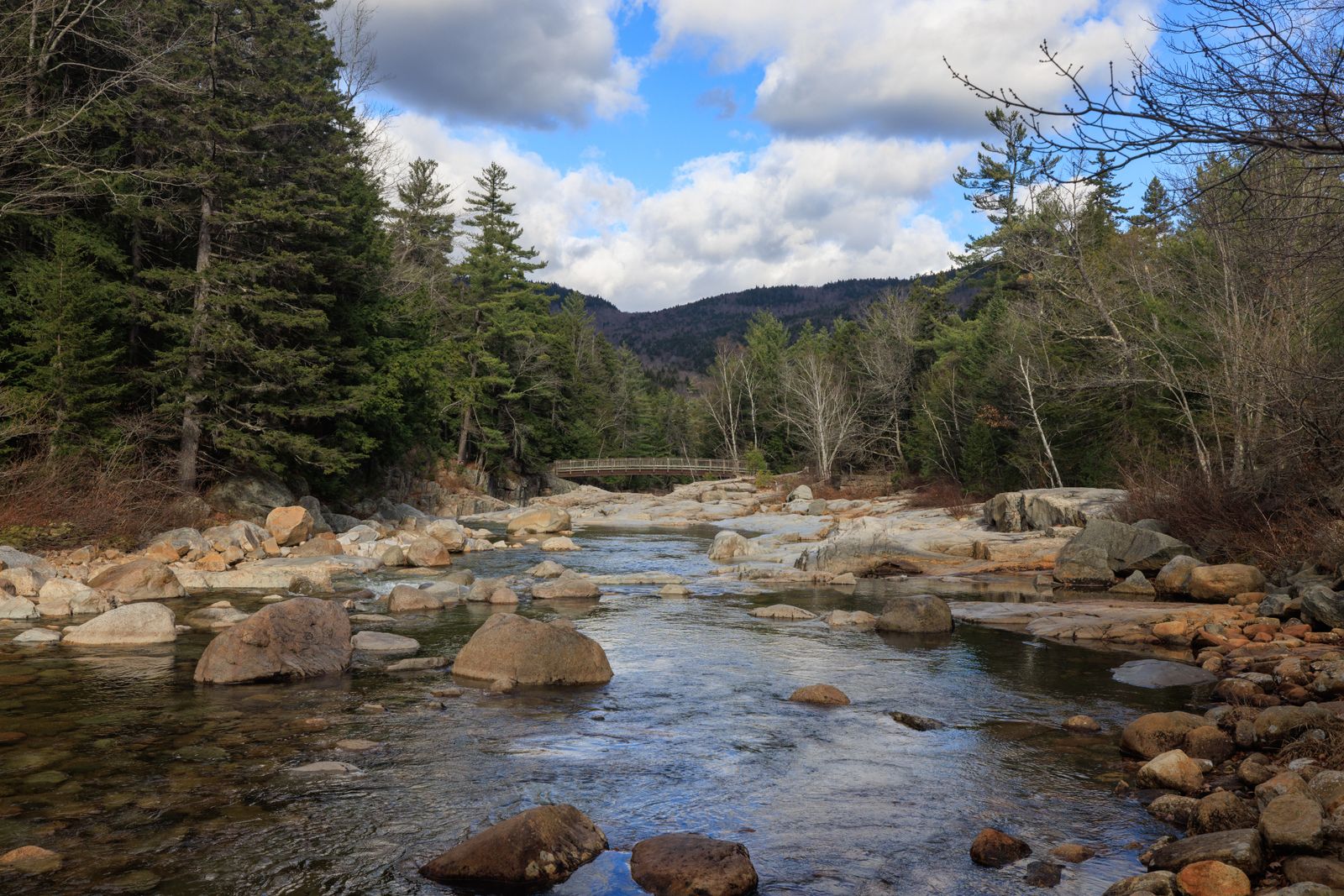
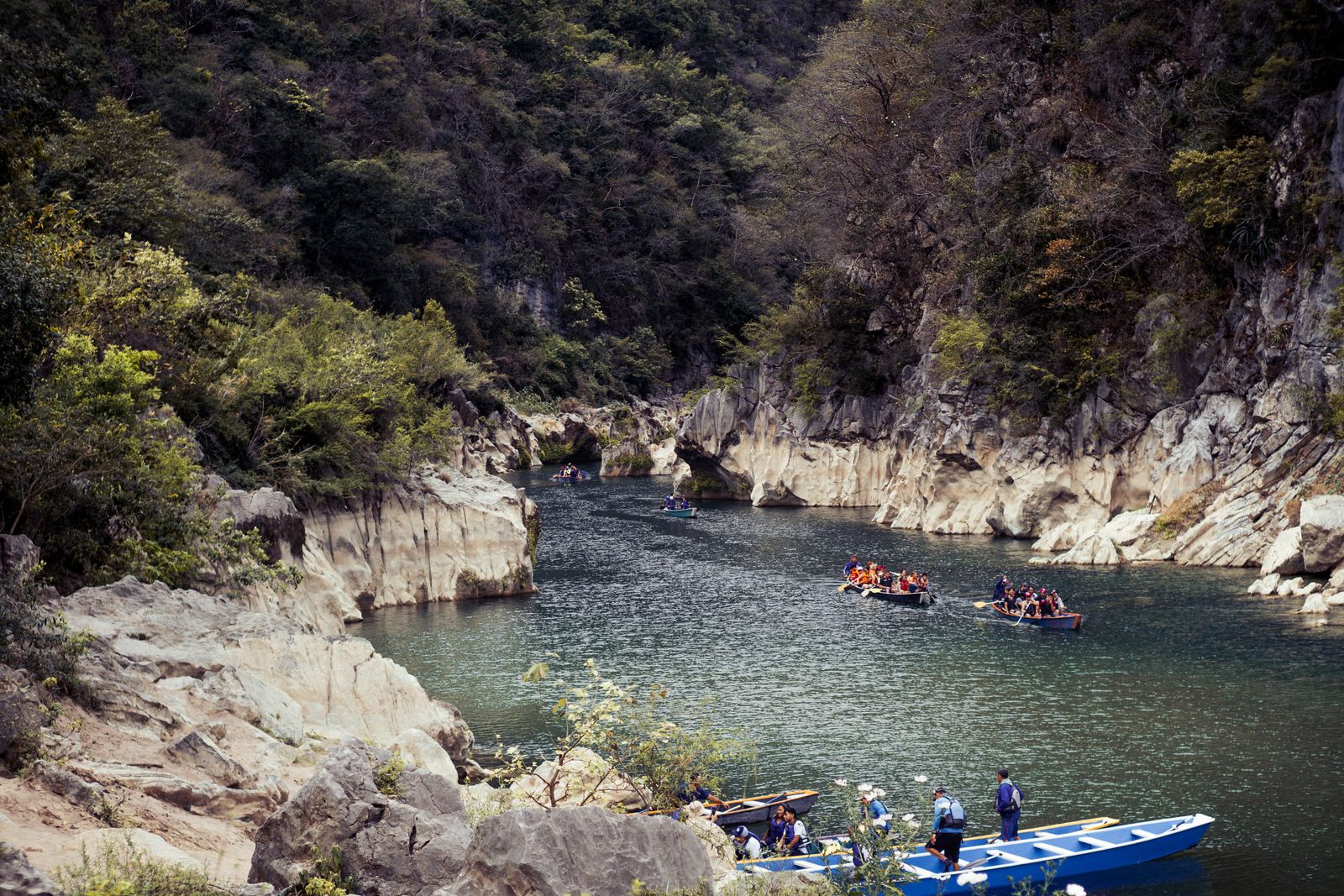
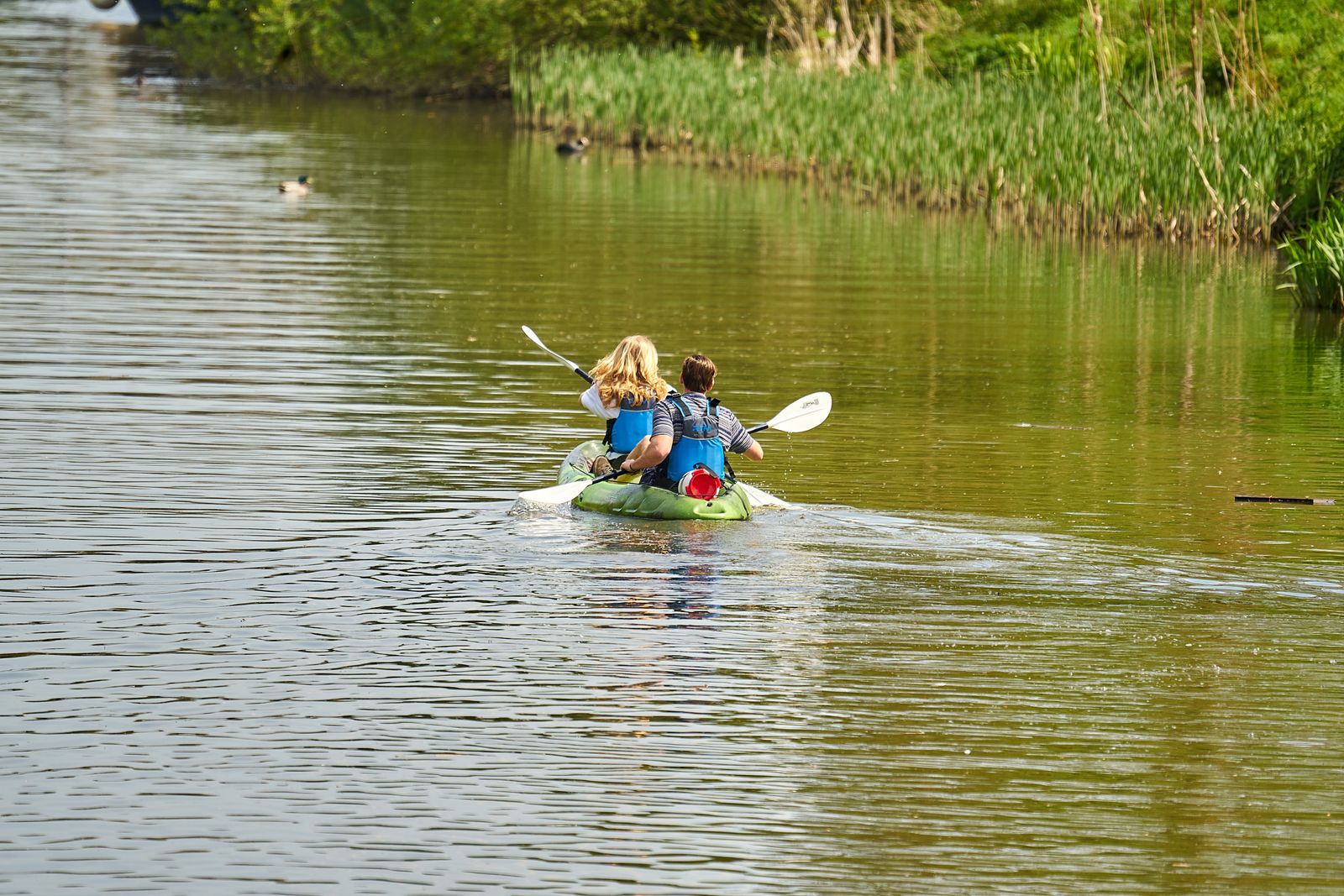
See the infrastructure work, public vote, and neighborhood access issues behind the bond ask.
See the campaign
Urban watershed advocacy
Back a policy campaign Volunteer in the field Read the restoration story
Restore the river, push the clean-water bond forward, and show up where the work is.
East Riverkeeper Alliance blends cleanup days, field stories, policy campaigns, and public events around one watershed. Whether someone arrives angry about runoff, curious about the bond vote, or simply ready to show up on Saturday, the next move is easy to find.
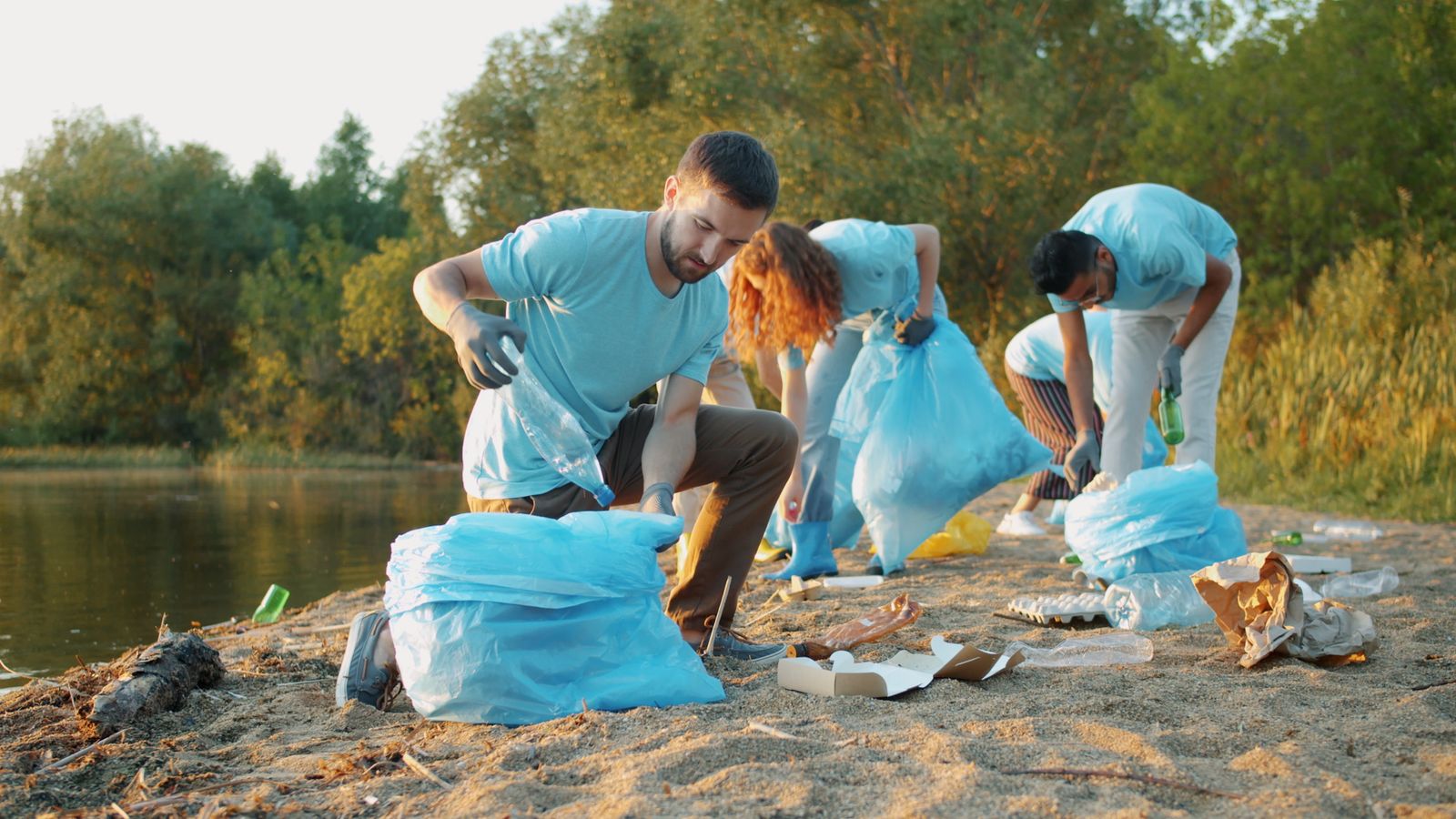
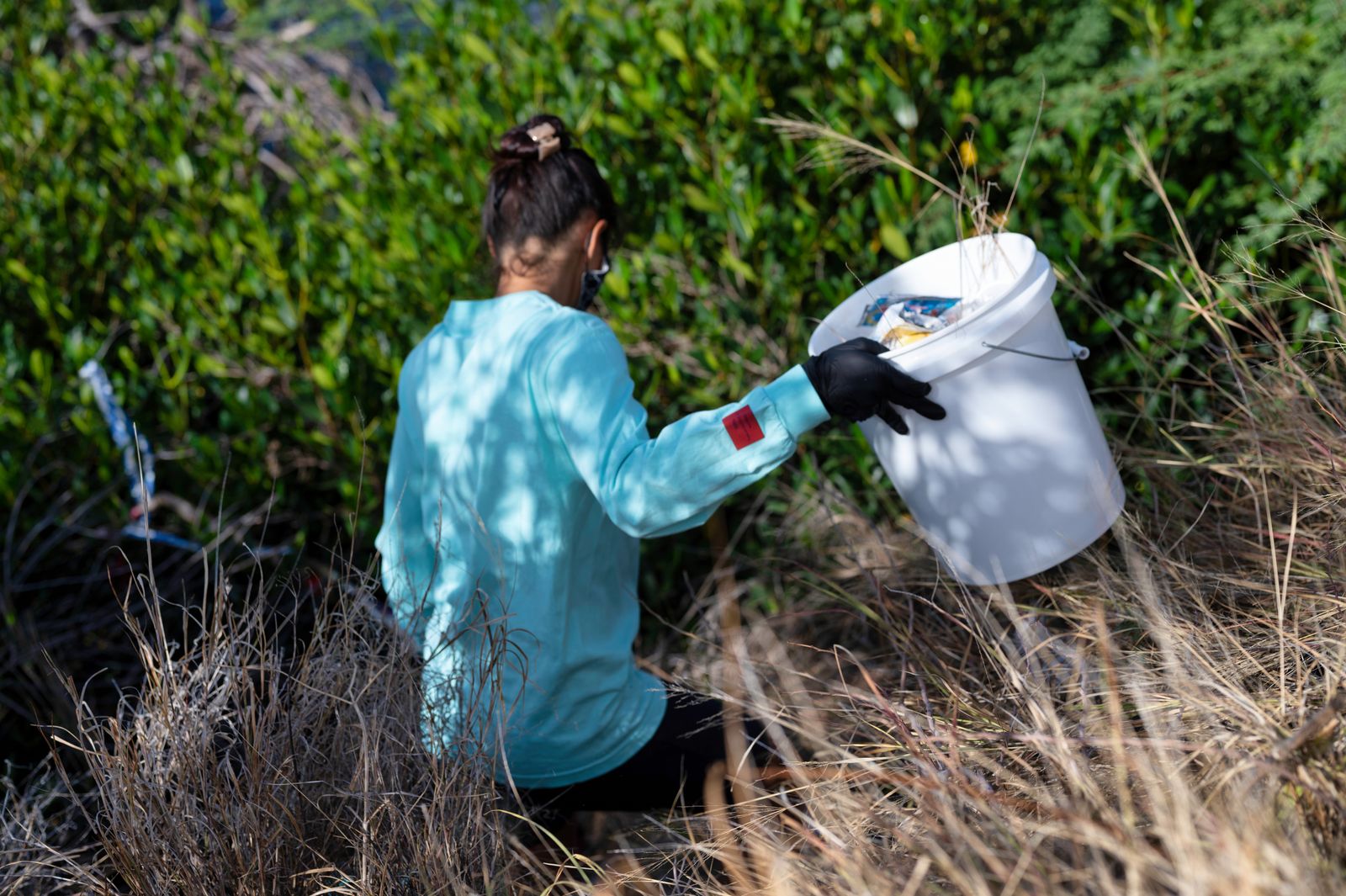
Know what a cleanup or river day actually looks like before you sign up.
Join a shiftFollow one stretch of river from damage to repair and understand why the work matters.
Read the story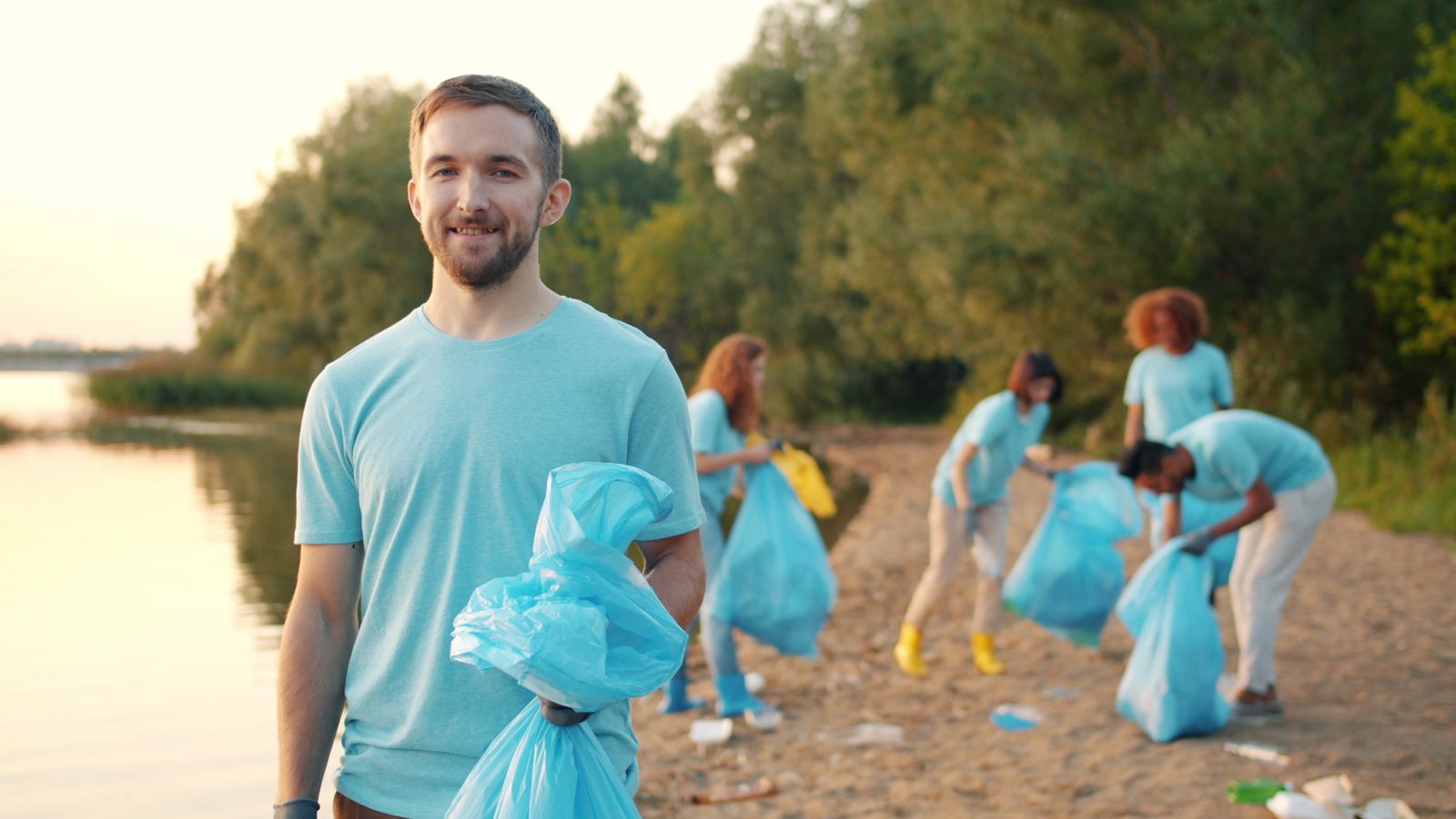
Campaigns, cleanup shifts, and river stories that belong to the same watershed
Some supporters want the policy fight first. Some want a Saturday cleanup. Some need to understand the river before they act. East Riverkeeper keeps all three paths visible so the cause never collapses into a single button.
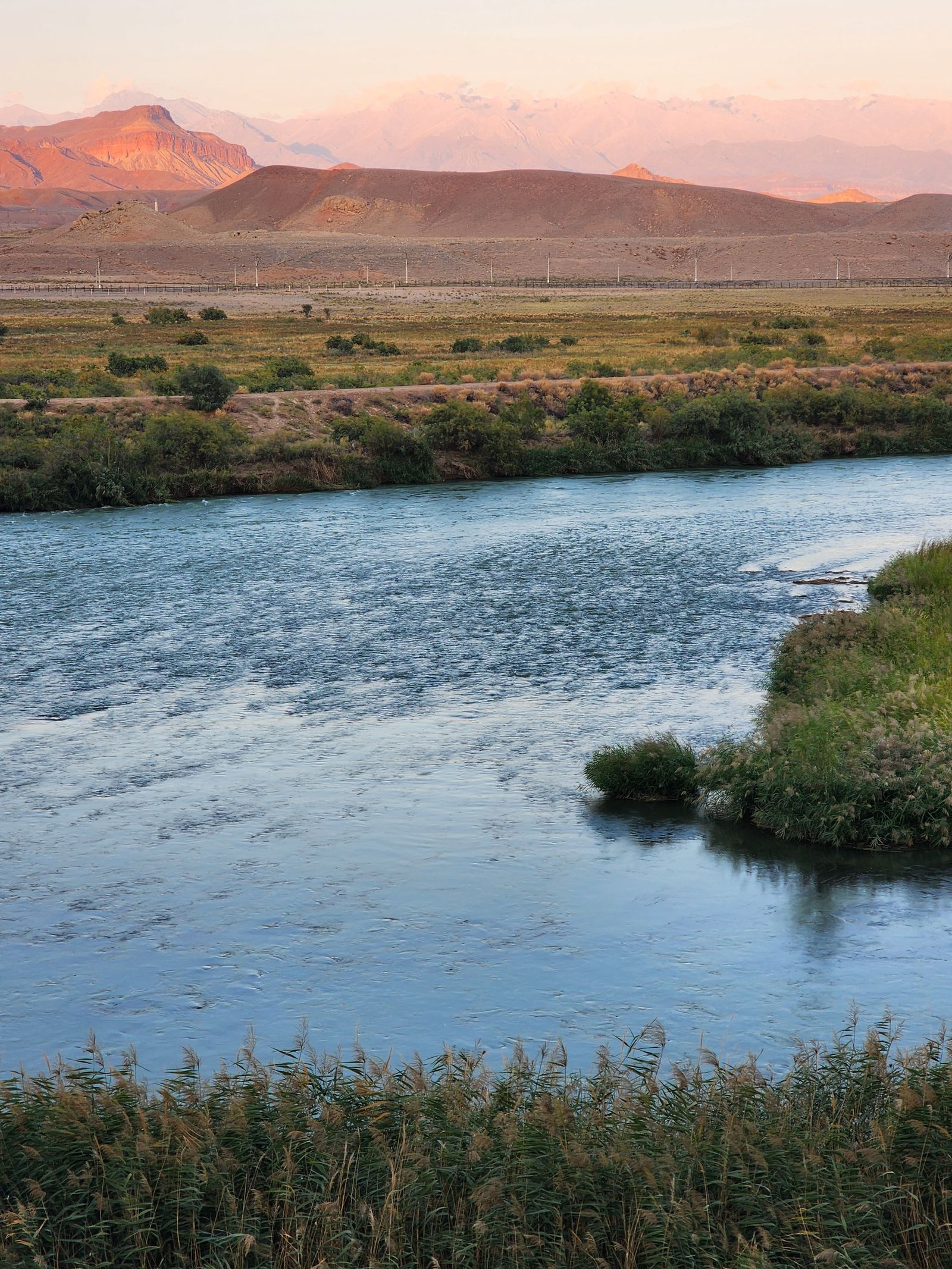
Where the clean-water bond would show up on the river
The bond only means something if people can picture what changes on the river itself: safer access points, repaired banks, cleaner water after storms, and habitat that stops eroding season after season.
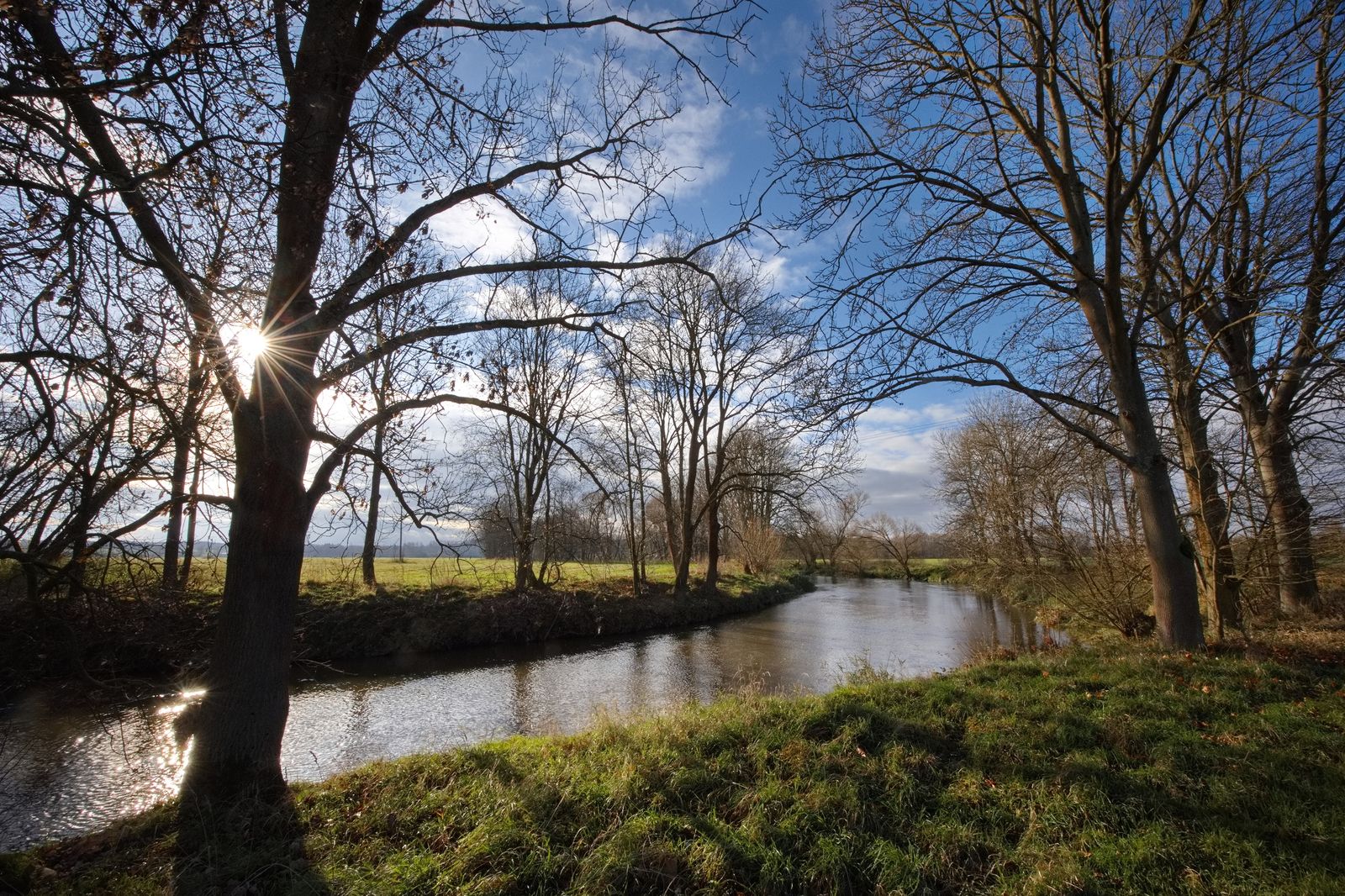
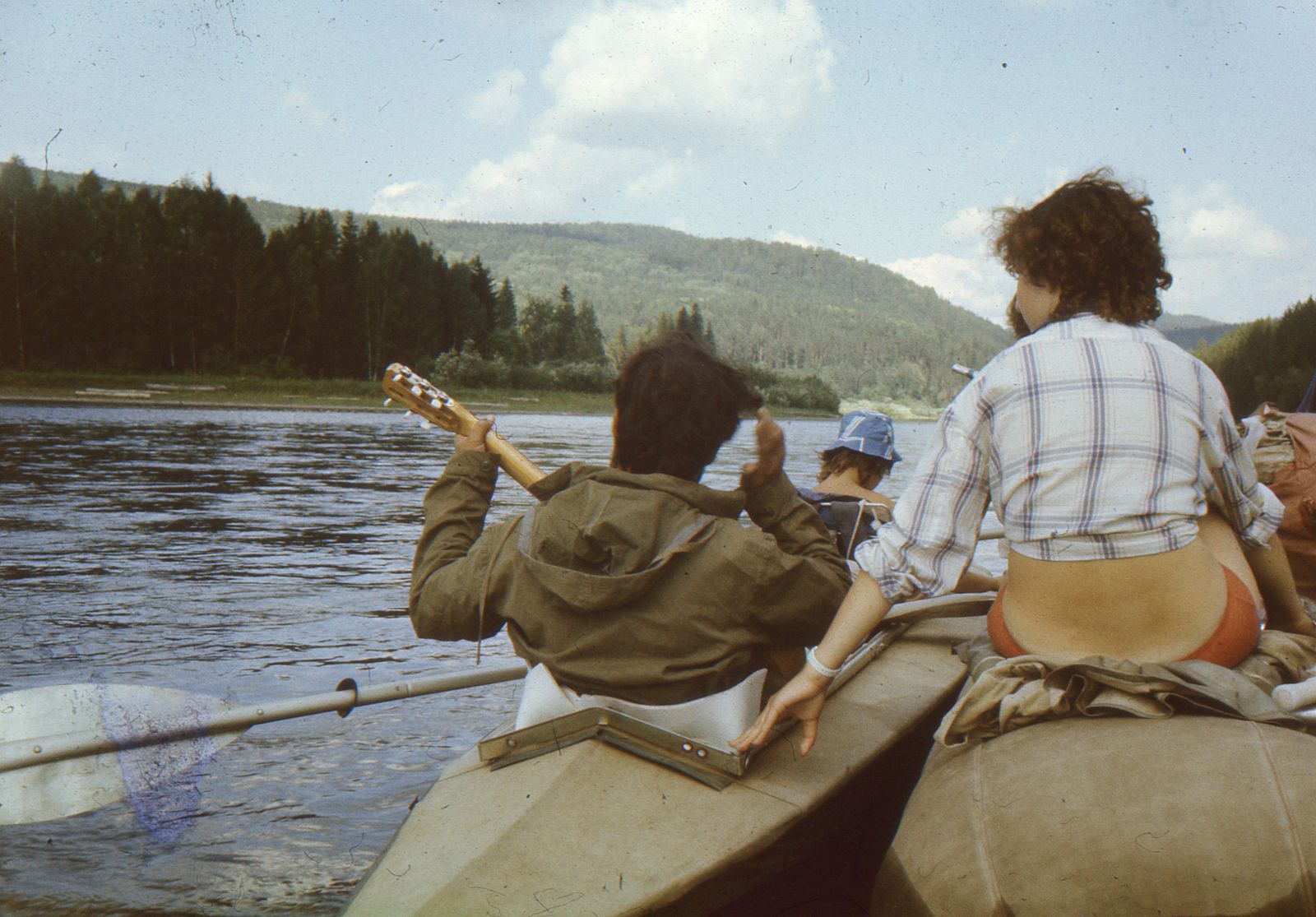
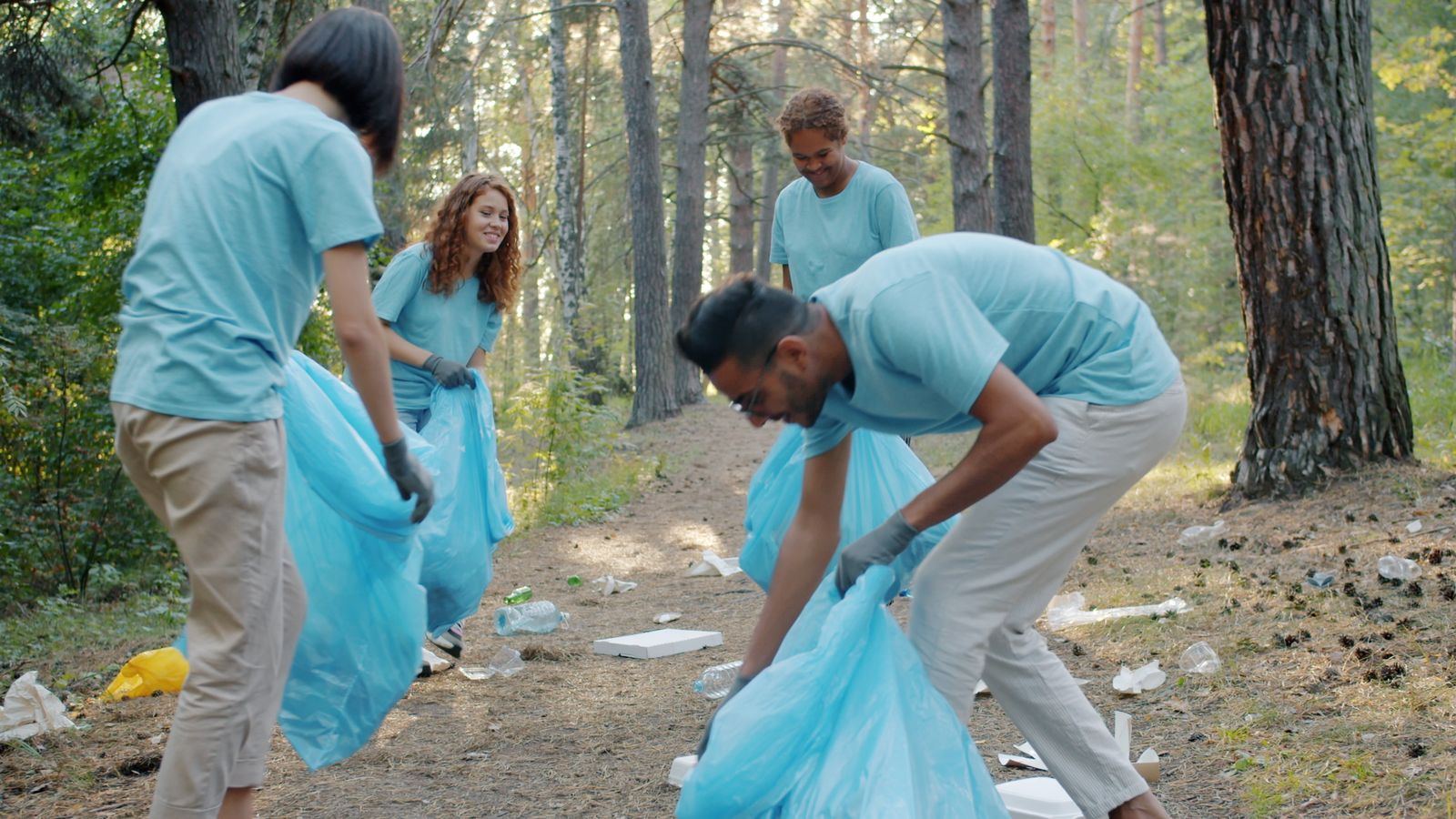
Field proof, volunteer days, and restoration work people can picture
Cleanup shifts, paddles, restoration stories, and event briefings make the cause concrete for people who are deciding whether to stay involved.